LES BARRICADES
OPEN SPACE | 2004 | COLOGNE
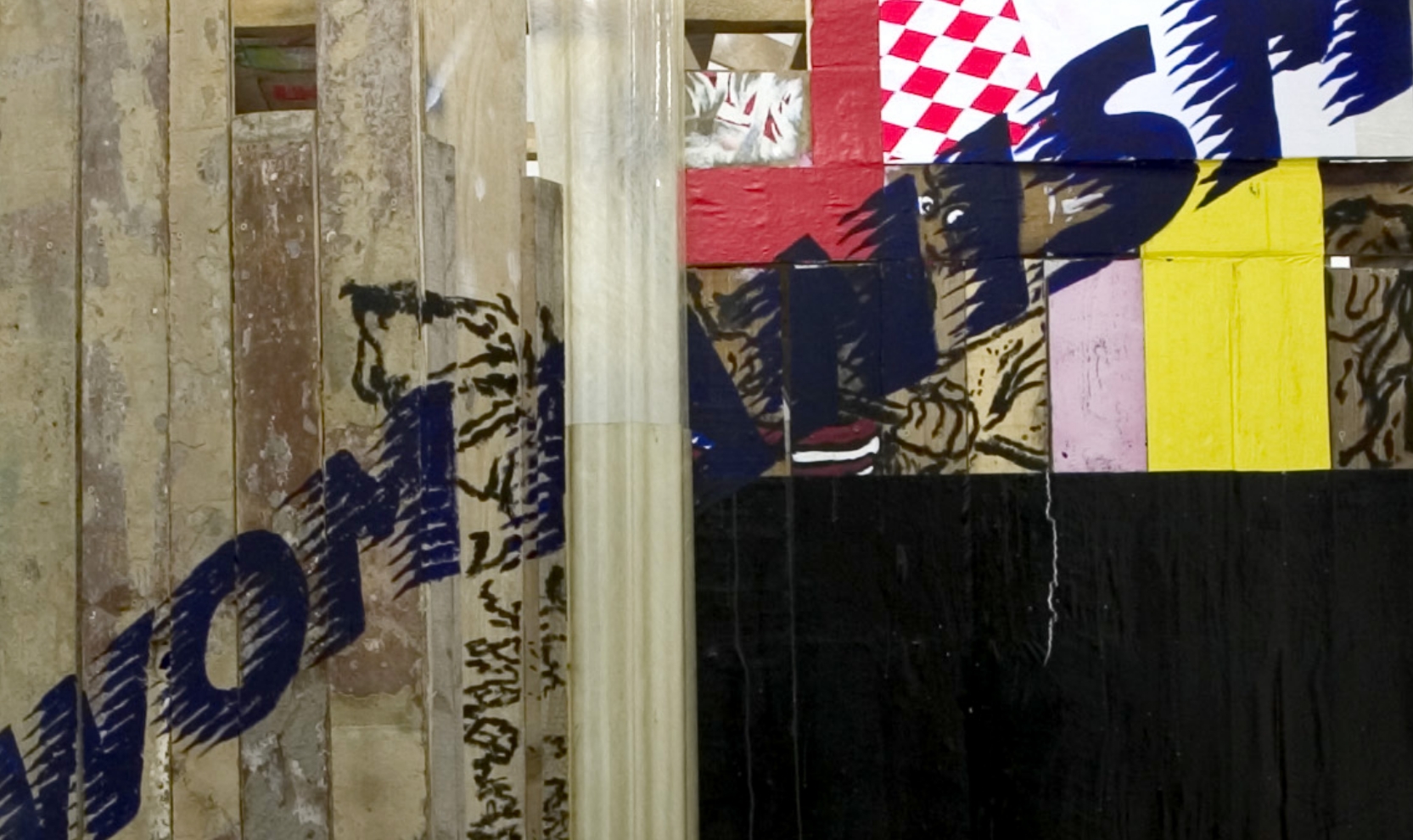
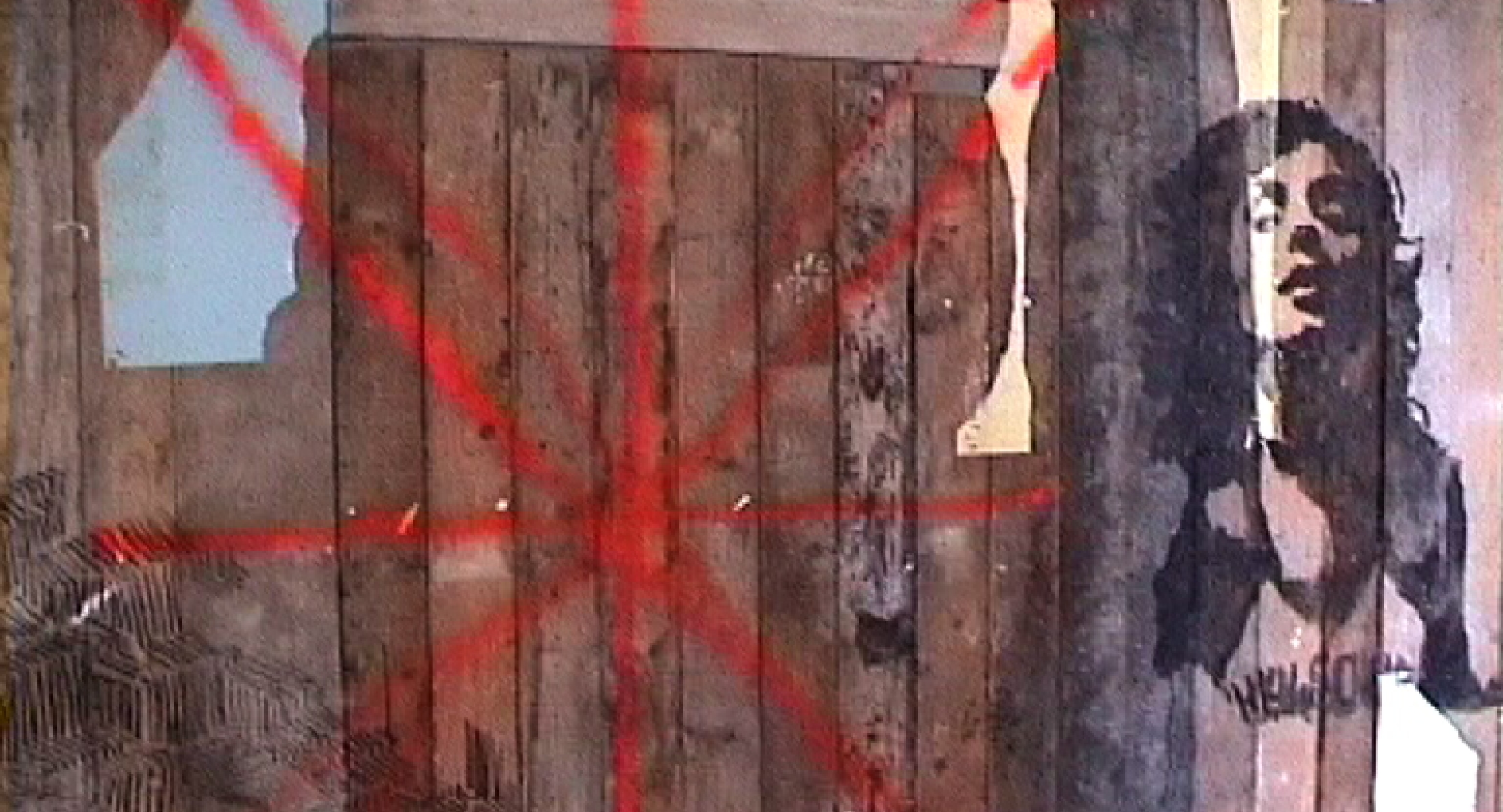
Similiar to the exhibition "DIOÉ" in Hamburg (2003), the materials for "LES BARRICADES" are sourced from my collection of waste wood from construction sites and containers. The exhibition takes the idea one step further by presenting not only the aesthetics of makeshift buildings and street constructions, but transforming it into an aesthetics of revolt. The construction site is turned into barricades - the wood bears the traces and signs of the street. As barricades, it becomes the carrier of the message.


On the opening night, a fan blows leaflets into the audience, which fall to the floor and are subsequently walked over and trampled on, turning them into a part of the exhibition's theme. The exhibition itself consists of three rooms, each connected by a passageway. A construction fence covers the first passage, creating a new space behind it, offering new perspectives – like a hallway or a dividing wall. The architecture of the provisional offers many possibilities of interpretation.
Top left: "Untitled", construction fence (front), various materials: waste wood, corrugated cardboard, billboard paper, acrylic paint, photocopies.
Top right: Construction fence (back).


In the middle room the theme is spelled out explicitly. It contains a barricade with all the objects and features associated with it, including a figure whose posture and colour aesthetic recalls Delacroix's allegory from the painting "La Liberté guidant le peuple". While Delacroix's depiction of the female allegory serves as a common embodiment of the "nation" in art history, I intended to convey the aesthetics of female revolt and empowerment. The wire mesh figure is almost transparent, but nevertheless distinctively questions stereotypical representations of women in works of art, known to have been created from a male perspective. My representation differs almost only by my authorship, which, however, is the crucial difference.
Top left: "Elisabeth sur les barricades", various materials: pallets, coal sacks, car tires, wood squares, foam concrete, ropes.
Top center: "Elisabeth", various materials: layered latex mask of my face made, wire mesh, wood squares, wig, second-hand clothes, plastic flag with colours.
Top right: "Paving stones", wire mesh, newsprint, plaster, pigments, paint, acrylic binder, shellac.


I often asked myself, what historical role models to follow as an artist or in which intellectual tradition I could see myself. The gender discrepancy always seemed problematic to me. Could I really take the work of a historical, male artist, philosopher or writer as a reference, as my male colleagues so naturally could? Of course not. Since I didn't want to resort to the few women who were historical exceptions, I had to rely on research. In 2004, that wasn't as easy as it is today. I wanted to discover a previously unknown biography with potential for identification.
During my research for the flyers depicting magazines and murals on feminist themes from the last century, I came across a historical figure who excellently represents feminist revolt in the sense of the street-fighting aesthetic presented in the exhibition. She fought with all means - chaotic, anarchic, clever, ready to fight and very successful: Victoria Woodhull.


Victoria Woodhull was not only the first woman to run for U.S. president in 1872, but also a publisher, financial broker, fortune teller, women's rights activist, anarchist, speaker and author. Her candidacy was only made possible by a flaw in the system that she identified and used for her own benefit at a time when even the mere candidacy for the position of head of state was impossible for women. Woodhull was an extraordinary personality who - as early as the 19th century - lived a form of equality that remains mostly unattained even today.
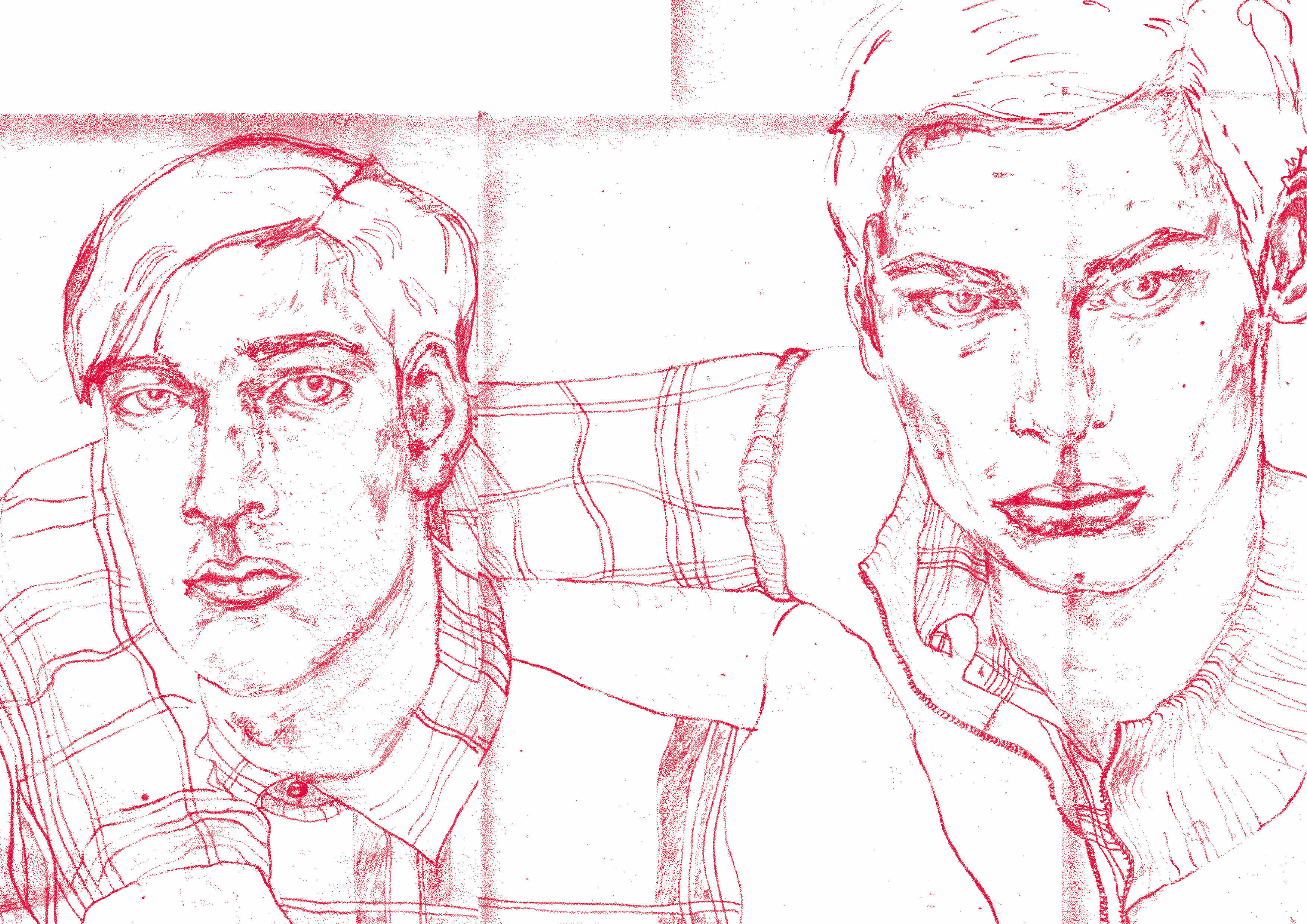
The story of Victoria Woodhull and her sister Tennessee Claflin is fast-paced and amusing, outrageous and inspiring, and moved me to dedicate two portraits on photocopies of a hirbawi to them as part of the exhibition.
Top left: "Victoria", pencil on photocopy, plastic feather.
Top right: "Tennessee", pencil on photocopy, plastic feather.

Above: company name and slogan of the newspaper published by Woodhull and her sister Tennessee Claflin.
These remarkable women and their modern positions in a supposedly modern age deserve much more attention than I can provide in the context of describing the exhibition. Here are some possible points of departure:


The third room of the exhibition displays drawings, copies and graphics in line with the theme along with an election campaign decoration draped on fabric on construction wood.
Top left: various materials, pencil, crayon on paper, photocopies, papers.
Top right: collage of leaflets.
Bottom left: Drawing: "Untitled", pencil on paper.
Bottom right: drawing: "Evangel", pencil on paper, photocopy.


In this exhibition I once more ran the risk of going beyond the framework of art by crossing boundaries. Its style repeatedly violates what is generally recognized and accepted as art and consciously crosses the borders of good taste towards kitsch to expand perspectives and question the established understanding of what constitutes art. In addition, the overabundance of content erases the presented objects‘ status as works of art. The barricade and its figure are a good example. A barricade by itself - without inscription, without an additional figure and theroretical framework - could have been a sculpture. An isolated figure - without various figurative attributes such as clothing, paving stones, bags - could have been an art object.
In blending a didactic world of experience with the framework of an art exhibition the formal borders of the artistic representation are questioned and expanded. In the same way, the informational overload through abundance of content intended to highlight the lack of biographies of female artists, writers, etc., and thus also the lack of role models for female artists